Losing a tooth changes more than a smile. It affects chewing, speech, confidence, and over time, the shape and strength of the jaw itself. Dental implants have become a trusted option because they replace the root as well as the visible crown, which gives them a very different role from a bridge or removable denture. But not everyone is an immediate candidate the day they walk into a consultation.
When people ask about eligibility for Dental Implants Calabasas CA, they are usually trying to answer a practical question: “Can I actually get this done, or am I going to be told no?” The honest answer is that many adults qualify, including some who assume they do not. At the same time, a good implant dentist does not treat candidacy as a simple yes-or-no checkbox. It is a judgment call based on bone, gums, health history, bite forces, habits, timing, and expectations.
That nuance matters. Someone can be a strong candidate in general but still need gum treatment first. Another person may have been told years ago that there was “not enough bone,” yet modern grafting techniques may change the picture. A third may be healthy overall but clench so hard at night that the treatment plan needs extra protection and design changes. Eligibility is rarely about a single factor. It is about whether the mouth and body can support a predictable result.
The baseline requirement: a healthy place to anchor the implant
A dental implant needs enough stable bone to integrate with the jaw. That bond, called osseointegration, is what allows the implant to function like a root. If the bone is thin, soft, or has shrunk significantly after tooth loss, an implant may still be possible, but the case becomes more complex.
The amount of bone needed depends on where the missing tooth is, how large the implant must be, what neighboring structures are nearby, and what kind of forces that tooth will absorb. A single front tooth presents a different challenge from a molar in the back. Front teeth require meticulous positioning for appearance, while molars take heavier chewing loads and need strong support.
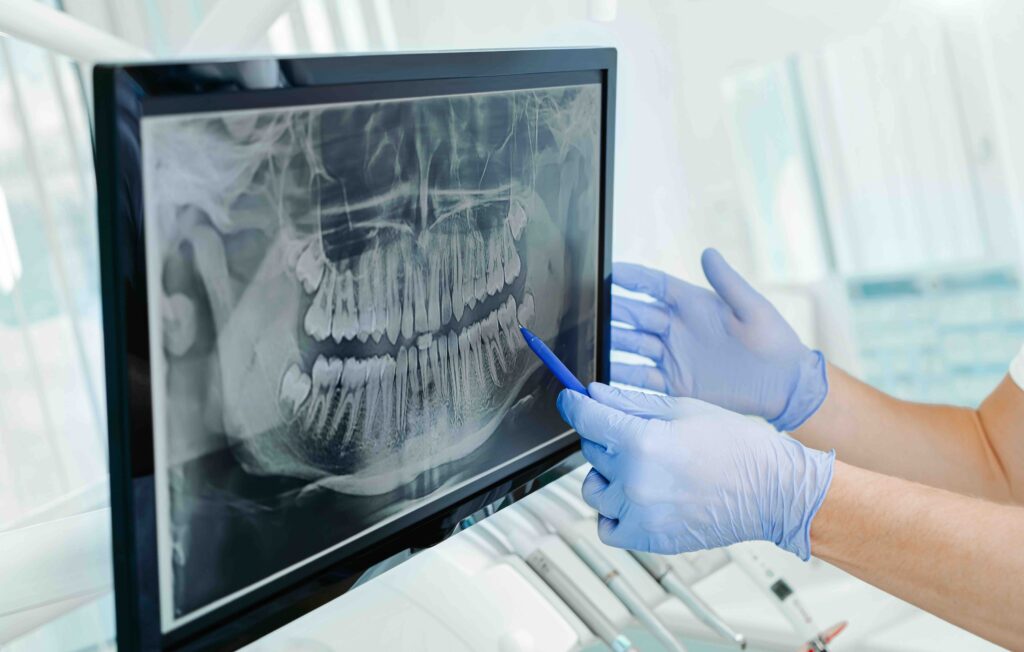
This is why imaging matters so much. A standard exam and X-rays provide useful information, but a 3D scan often tells the fuller story. It shows width, height, density, and the location of the sinus in the upper jaw or the nerve in the lower jaw. Patients are sometimes surprised to learn that the gum line can look normal while the underlying bone has narrowed over time. Bone loss is not always obvious in the mirror.
Healthy gums matter just as much as healthy bone. Active periodontal disease can compromise the tissue around an implant and raise the risk of complications later. If someone has bleeding gums, deep pockets, or heavy tartar buildup, the first step is not usually implant placement. It is controlling the disease. That may feel like a delay, but it is better viewed as groundwork. Implants do not cure oaksdentistry.com Dental Implants Calabasas CA gum disease, and they do not thrive in a neglected environment.
Tooth loss history changes the treatment path
One of the most important details in an implant consultation is how long the tooth has been missing. The jaw begins to remodel after extraction, and the first several months often see the greatest change. In simple terms, the body stops maintaining bone it no longer uses. The ridge can become shorter or narrower, especially in areas where the bone was already thin.
Someone who lost a tooth recently may be a candidate for immediate implant placement, where the implant is placed at or soon after the extraction appointment. In the right situation, this can shorten treatment time and help preserve the surrounding tissues. But “immediate” does not mean automatic. It depends on infection control, bone shape, primary stability, and bite conditions.
Someone who has worn a partial denture for ten years may still be eligible, but the planning is different. Longstanding tooth loss often means more bone resorption. The upper back jaw may have less bone beneath the sinus. The lower jaw may show narrowing. None of that automatically rules implants out, but it may mean grafting, sinus elevation, narrower implant choices, or a different restorative strategy.
This is one reason blanket statements are not very helpful. A patient can be “missing teeth” in both cases, yet the actual implant difficulty level is completely different.
Age matters less than most people think
Many adults assume there is an upper age limit for implants. In everyday practice, age by itself is rarely the deciding factor. It is common for healthy adults in their 60s, 70s, and even 80s to receive implants successfully when the rest of the evaluation is favorable.
The more meaningful question is whether healing capacity, bone support, oral hygiene, and overall medical status are sufficient. A fit 78-year-old with controlled blood pressure, good mobility, and attentive dental habits may be a better candidate than a 42-year-old smoker with untreated gum disease and poor home care.
At the younger end, implants are generally postponed until jaw growth is complete. If a teenager loses a tooth from trauma or congenital absence, the timing must be handled carefully. Placing an implant too early can create esthetic and functional problems as the surrounding structures continue to change. Younger patients often need interim solutions until growth stabilizes.
Medical conditions that can affect eligibility
Most common medical conditions do not create an automatic exclusion. They do require more careful planning. Diabetes is a good example. Well-controlled diabetes often allows for successful implant treatment, while poorly controlled diabetes can interfere with healing and raise infection risk. The same condition can mean different things depending on how it is managed.
Osteoporosis raises a different set of considerations. The condition itself does not always prevent implants, but certain medications used to treat it may influence surgical planning, especially with long-term use. Autoimmune disorders, cancer history, radiation therapy to the jaws, clotting concerns, and immune suppression can all affect candidacy as well. These are not minor footnotes. They shape the sequence of care, the need for medical collaboration, and sometimes the wisdom of proceeding at all.
A careful health review usually covers more than diagnoses. It looks at medications, recent surgeries, tobacco use, sleep apnea appliances, dry mouth, history of grinding, and whether there have been repeated dental infections. The pattern behind the chart often tells as much as the label.
Health factors that usually deserve a closer look
- Uncontrolled diabetes or other conditions that impair wound healing Heavy smoking or vaping with nicotine Active periodontal disease Medications or treatments that affect bone metabolism Severe teeth grinding or clenching
None of these automatically means “no.” They mean the case deserves a more serious conversation about risk, timing, and long-term maintenance.
Smoking is not just a side note
Patients often expect the implant discussion to focus on bone and surgery, then are caught off guard when nicotine becomes a major issue. Smoking reduces blood flow, impairs healing, and increases the chance of implant complications. That includes failed integration, gum recession, and peri-implant disease, which is inflammation and bone loss around implants.
Vaping with nicotine is not harmless in this context either. The delivery method is different, but the biologic concern remains. A person who smokes is not always disqualified, but the risk profile changes. Some practices require or strongly encourage a period of nicotine cessation before and after surgery. Others will proceed selectively if the patient understands the trade-offs. What should never happen is downplaying the issue to make treatment seem easier than it is.
This is one of those places where real-world outcomes matter more than wishful thinking. An implant can be beautifully placed and restored, yet ongoing nicotine use can undermine the result over time.
Bite forces, grinding, and the hidden mechanical risks
A lot of patients think implants are only about surgery. In reality, the way a person bites can be just as important. If someone clenches or grinds heavily, especially during sleep, the implant restoration may face intense force. Natural teeth have a periodontal ligament that provides a small amount of shock absorption. Implants do not. They are stable in bone, which is a strength, but also means forces need to be managed thoughtfully.
This does not mean grinders cannot get implants. Many do. It means the dentist may adjust the plan. That can include using an implant of appropriate size and position, controlling the shape of the final crown, avoiding overload, and prescribing a night guard afterward. When those issues are ignored, complications become more likely. Screws can loosen. Porcelain can chip. Surrounding bone can be stressed.
The back teeth deserve special mention here. Molars do most of the heavy lifting. Replacing a molar with an implant can be an excellent decision, but it should not be approached casually. The restorative design has to respect the bite, not just fill the space.
Aesthetic demands are highest in the front of the mouth
A front tooth implant is often the case patients care about most emotionally. It is also one of the most technique-sensitive situations in dentistry. Eligibility is not only about whether an implant can be placed, but whether it can look natural once healed.
In the visible smile zone, the dentist evaluates gum architecture, lip movement, neighboring tooth shape, and bone contour. Thin tissue can be more prone to recession. If the original tooth was lost because of trauma or infection, the site may need grafting to rebuild support before a final crown can blend well. A person may technically qualify for an implant, yet still need a staged approach to get a result that looks right.
This is worth emphasizing because many disappointing implant cases are not failures in the dramatic sense. The implant remains integrated, but the esthetics fall short. For a front tooth, that matters enormously.
Bone grafting does not mean you are not a candidate
One of the most common misunderstandings is that a lack of bone ends the conversation. Very often, it changes the treatment plan rather than eliminating the option. Bone grafting can help rebuild areas that have collapsed after extraction or disease. In the upper back jaw, a sinus lift may create room for implant support where the sinus has expanded downward.
That said, grafting is not a cosmetic add-on. It adds time, cost, and healing phases. Some grafts are minor and performed at the time of extraction or implant placement. Others require months of healing before the implant can be inserted. The best approach depends on the defect, the desired restoration, and how predictable the site will be over time.
A patient once told me that hearing “you need a graft” made it sound as if the dentist was inventing extra work. That reaction is understandable, especially if no one explains the reason in plain language. But from a treatment planning standpoint, grafting is often the thing that turns a borderline case into a stronger one. It is not a sales phrase. It is a structural issue.
Oral hygiene habits matter more than enthusiasm
Wanting implants is not the same as being ready for implants. Motivation helps, but maintenance is what keeps the investment healthy. A person who rarely brushes thoroughly, skips cleanings, and lets inflammation persist around natural teeth is not showing good evidence that implants will be maintained well either.
This is not a moral judgment. It is a clinical one. Implants can develop peri-implant mucositis and peri-implantitis, conditions involving inflammation and, in more serious cases, bone loss. The risk rises when plaque control is poor. Patients who do best long term usually understand that the implant is not “fake” in the sense of being maintenance-free. The crown cannot decay, but the surrounding tissues can still get sick.
Sometimes candidacy is less about the mouth today and more about whether the patient is willing to change routines. If someone improves home care, addresses existing gum issues, and commits to follow-up visits, their eligibility can improve significantly.
When dentists may recommend against implants, at least for now
There are cases where saying “not yet” is the most responsible answer. Active infection, uncontrolled periodontal disease, severe medical instability, untreated substance abuse, or inability to maintain hygiene may make immediate implant treatment unwise. Financial pressure can also push people toward rushed decisions, especially if they are trying to fix multiple problems at once. A solid plan sometimes means sequencing care over time instead of forcing the final step first.
There are also anatomical and behavioral situations where another tooth replacement option may genuinely be more sensible. A fixed bridge, a removable partial, or even delaying treatment can sometimes be the better path, depending on the risks. The best clinicians do not treat implants as the answer to every missing tooth. They match the solution to the person.
What a real implant evaluation usually includes
The consultation for Dental Implants Calabasas CA should feel thorough, not theatrical. If it seems unusually fast, that is a reason to pause. A meaningful evaluation usually includes a conversation about goals, a review of medical history, an exam of gums and bite, imaging, and a discussion of alternative options. The dentist should be able to explain not only whether you are a candidate, but why, and under what conditions.
Patients often benefit from asking a few direct questions:
- Is there enough bone now, or would grafting improve the prognosis? Are the gums healthy enough for an implant to last? How does my bite or grinding affect the plan? What timeline should I expect from extraction to final crown? What are the main risks in my specific case?
Those questions tend to produce more useful answers than simply asking, “Can I get implants?” The goal is not just approval. It is clarity.
Full-mouth cases and multiple implants require a different standard of planning
Replacing one missing tooth is not the same as rebuilding an entire arch. Full-mouth cases involve broader issues like bite collapse, wear patterns, jaw relationship, speech, esthetics, and hygiene access. Someone may be eligible for implant treatment overall but still need a very careful staging process before anything definitive is placed.
This is where temporary restorations often play an important role. They let the dentist test bite position, appearance, and function before finalizing the permanent work. Patients sometimes underestimate how much engineering goes into full-arch implant cases. The implants are only part of the story. The prosthetic design is what determines whether the final result is comfortable, cleanable, and durable.
The local factor: why Calabasas patients often ask about timing and lifestyle
In Calabasas, many patients are balancing treatment with demanding schedules, public-facing work, social obligations, and a strong interest in esthetics. Those priorities are understandable, but they can influence decision-making in ways that matter clinically. People may ask whether everything can be completed before an event, whether a temporary will look natural enough for meetings, or whether downtime can be compressed.
Sometimes the answer is yes, with proper planning. Sometimes the biology sets the pace. Bone and soft tissue healing do not speed up because the calendar is inconvenient. A dentist who gives a realistic timeline is doing the patient a favor. Faster is not always better if it compromises tissue stability or implant position.
There is also a common cosmetic assumption that implants are purely an appearance upgrade. In truth, they are reconstructive. The esthetic payoff can be excellent, but the foundation is surgical and functional. That mindset helps patients approach the process with the right expectations.
The strongest candidates are not always the easiest cases
It may sound contradictory, but some of the best implant candidates are people with complicated dental histories who are finally ready to address the underlying issues properly. They may need extractions, grafting, gum therapy, or staged restorations. What makes them good candidates is not a perfect starting point. It is that the problems have been identified, the risks are being managed, and the patient is committed to maintenance.
On the other hand, a person with seemingly simple tooth loss can become a poor candidate if they want shortcuts, decline necessary preliminary care, or ignore hygiene and smoking recommendations. Eligibility is not just about anatomy. It is also about behavior and follow-through.
If you are wondering whether you qualify for Dental Implants Calabasas CA, the most accurate answer will come from a detailed evaluation, not a general advertisement or a one-size-fits-all promise. The right question is less “Am I perfect for implants?” and more “What would need to be true for implants to succeed in my case?” That is where good diagnosis begins, and where good long-term outcomes usually start.
Oaks Dental
5000 Parkway Calabasas, Suite 308
Calabasas, CA 91302, United States
Phone: +1 (818) 412-8349
FAQ About Dental Implants Calabasas CA
How much does a dental implant cost in California?
Costs vary with the number of teeth replaced, restoration type, imaging, and any extractions or bone grafting. Request an itemized estimate after an examination; a single advertised price may not include every treatment stage.
Can people with autoimmune disease get dental implants?
Some people may qualify, but the condition, medications, oral health, and healing risks require individual assessment. Share your medical history with your dentist, who may coordinate with your treating physician.
Can you have dental implants if you have osteopenia?
Osteopenia does not by itself establish whether implants are suitable. Your dentist must evaluate jawbone support and review bone-related medications and other risks before recommending treatment.